AI surge threatens power grids as data centre energy needs double
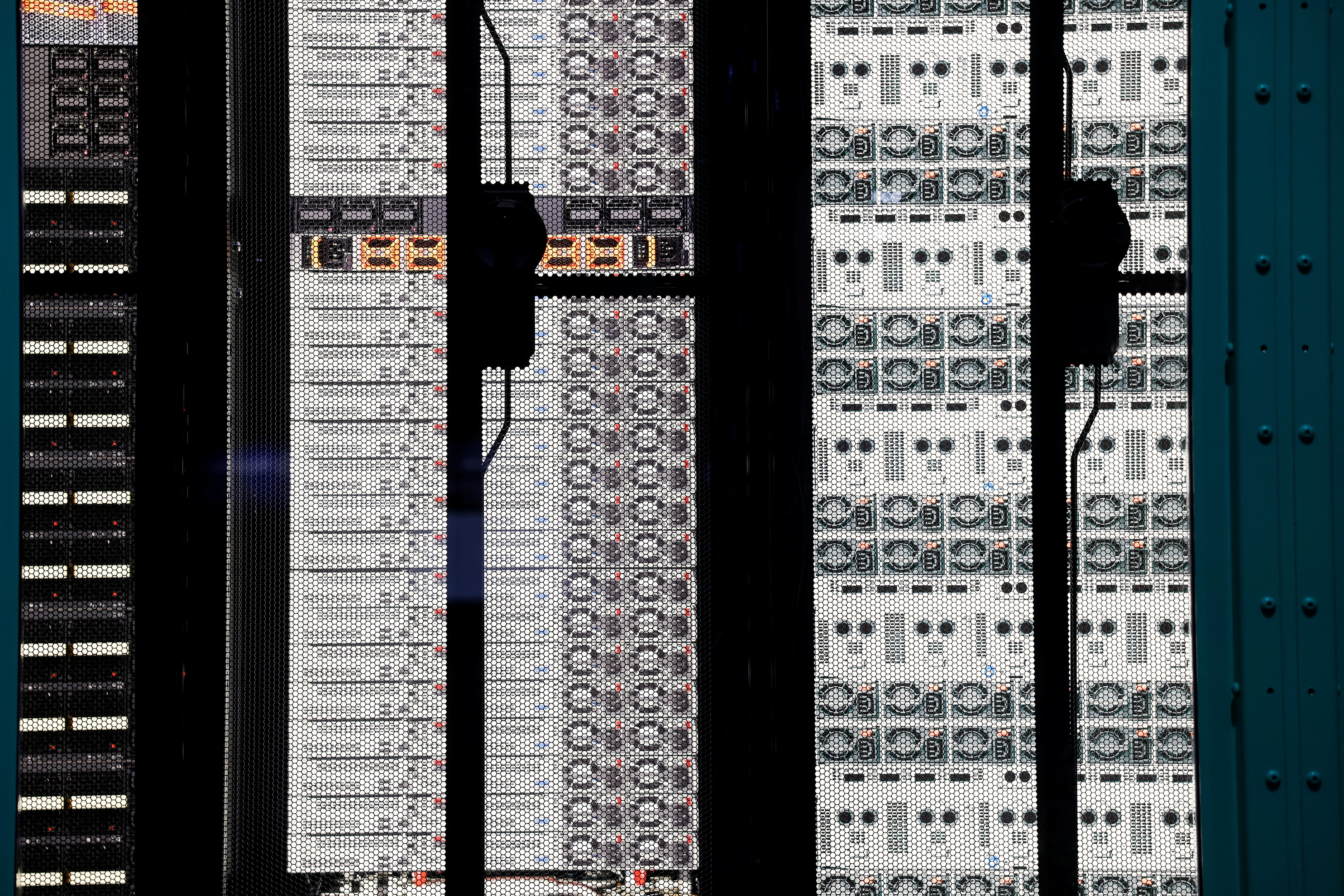
Rapid AI development is straining electric grids as US data centre electricity demand is projected to more than double by the year 2030.
The rapid expansion of artificial intelligence technology is increasingly colliding with the physical limits of existing electrical infrastructure. As the industry moves from experimental phases to widespread deployment, the sheer amount of power required to sustain these operations is becoming a critical bottleneck for global progress.
The growing energy challenge for artificial intelligence
At the heart of this issue is the massive electricity consumption required by data centres. These facilities, which house the high-performance computing clusters necessary for training and running complex AI models, are seeing an unprecedented surge in energy needs. In the United States, electricity demand for these data centres is expected to more than double by 2030, rising significantly from approximately 167 terawatt-hours in 2023.
Infrastructure and the electric grid
This projected spike in demand poses significant challenges for utility providers and policymakers alike. The traditional electrical grid was not designed to accommodate the concentrated, massive, and rapidly growing load requirements of AI-driven data hubs. To prevent instability, several key areas must be addressed:
- Upgrading grid capacity to handle concentrated surges in demand.
- Integrating new energy sources to meet the massive increase in terawatt-hours.
- Ensuring grid resilience to prevent outages caused by high-intensity computing.
As the demand for sophisticated AI continues to scale, the focus of the tech industry is shifting. While computational efficiency and algorithmic breakthroughs remain vital, the physical reality of energy availability is now a primary concern for the future of technological growth.