Exploring Bangkok’s evolving community malls and lifestyle hubs
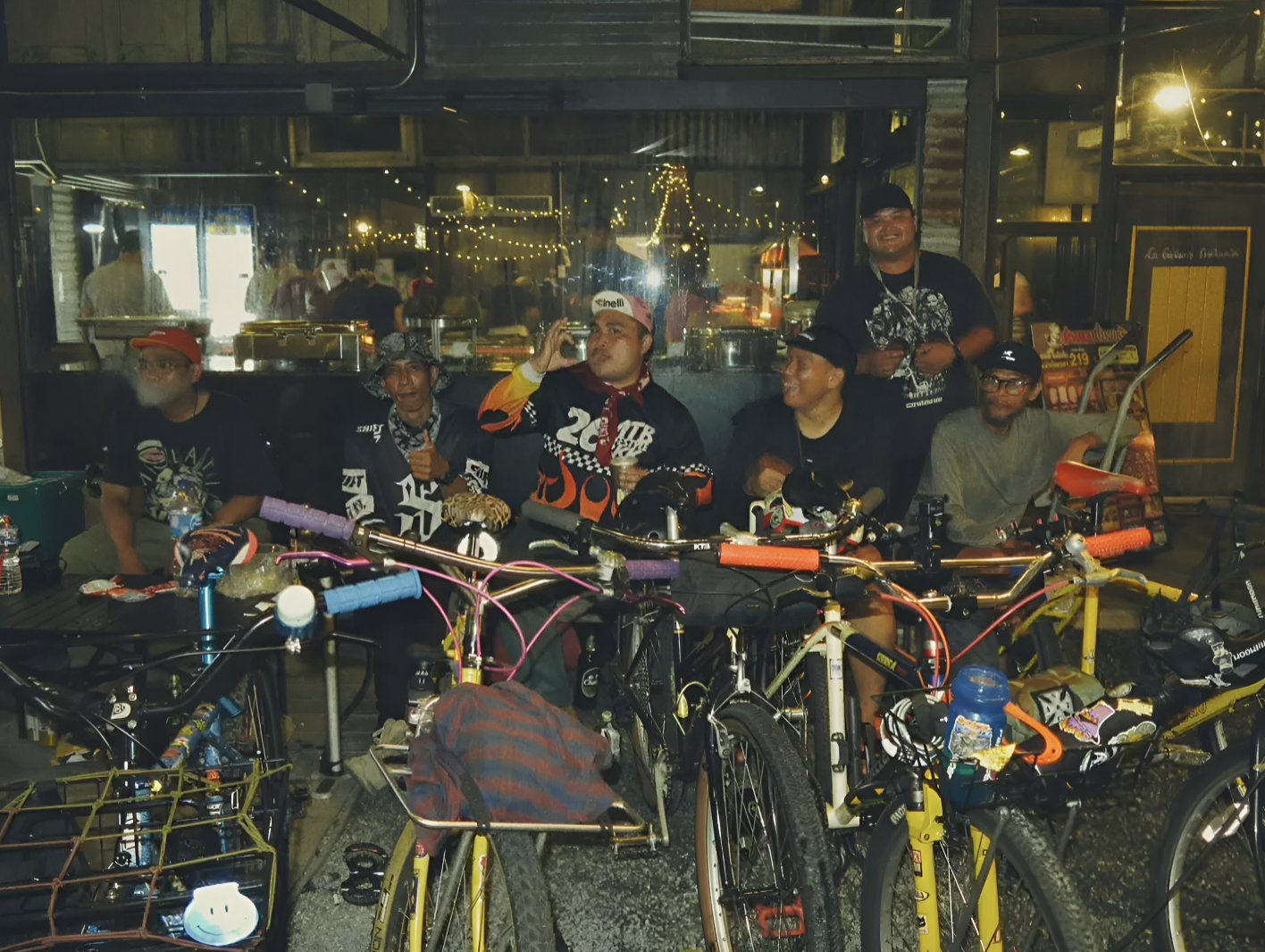
Bangkok's community malls and creative warehouses have emerged as vital social hubs, offering versatile spaces for local residents and visitors.
The rise of urban social spaces
Bangkok is experiencing a shift in how residents utilise urban environments, moving away from traditional large-scale shopping centres toward smaller, more intimate community malls. These spaces serve as functional social hubs that cater to the specific needs of local neighbourhoods.
Creative warehouses and repurposed industrial structures have also gained popularity. These locations often provide a flexible atmosphere that supports both leisure and professional activities, bridging the gap between traditional commercial zones and community-focused gathering points.
Key characteristics of lifestyle hubs
Modern lifestyle hubs in the capital are increasingly defined by their ability to integrate various social functions into a single location. Unlike standard retail outlets, these spaces prioritise communal interaction and relaxed environments.
Common features of these successful hubs include:
- Open-air designs: Many spaces, such as theCOMMONS, utilise tiered seating and outdoor areas to encourage socialising.
- Diverse amenities: A blend of artisanal food vendors, specialty coffee shops, and shared workspaces.
- Community focus: Environments designed for long-duration stays rather than quick transactional shopping.
Changing urban social patterns
The preference for these spaces reflects a broader trend in metropolitan lifestyle design. Residents are increasingly seeking environments that allow for cross-disciplinary socialising, where work, dining, and relaxation can occur in a seamless, unhurried manner.
The architectural emphasis on communal seating, such as wooden benches and shared terraces, fosters a sense of belonging. This design philosophy transforms commercial real estate into essential social infrastructure for the city's growing urban population.