
No lifestyle audits on senior police officials for five years
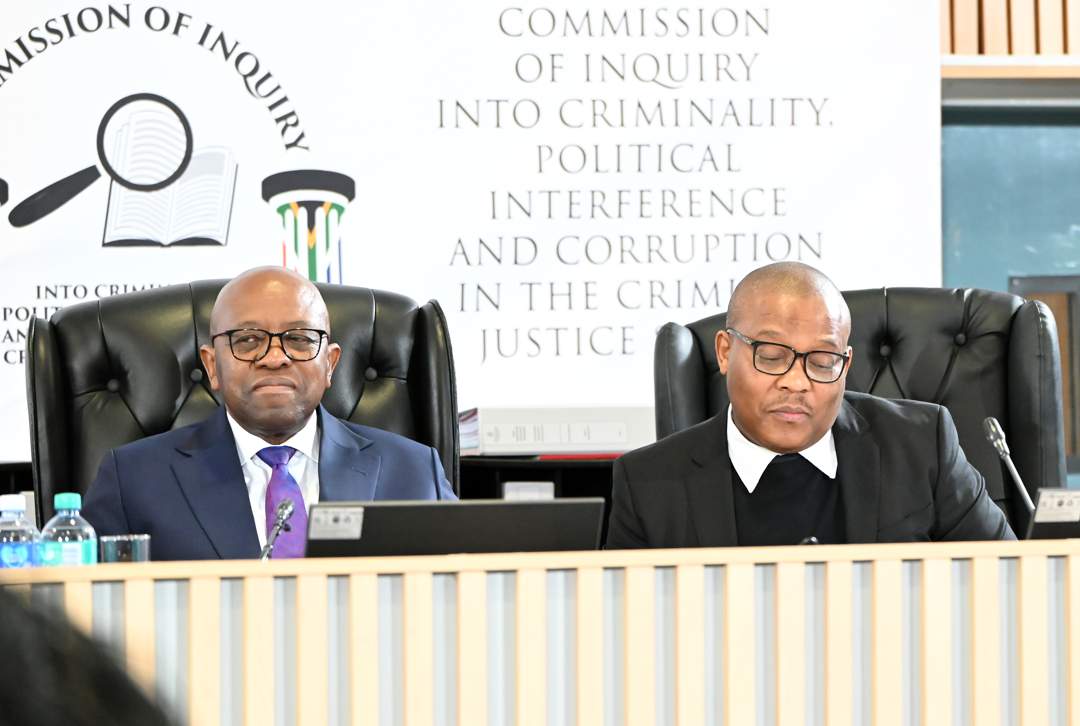
The Madlanga Commission revealed that no lifestyle audits were conducted on senior SAPS officials over the last five years despite rising corruption.
Findings of the Madlanga Commission
Testimony presented to the Madlanga Commission has highlighted a significant oversight within the South African Police Service (SAPS). An expert witness informed the commission that senior police officials have not undergone mandatory lifestyle audits for a period of five years.
This lack of scrutiny comes amid allegations of widespread corruption within the police force. The commission is investigating claims that systemic malfeasance has occurred throughout the same five-year window that auditing processes were reportedly suspended or ignored.
The Role of Lifestyle Audits
Lifestyle audits serve as a critical oversight mechanism designed to identify unexplained wealth among public officials. By comparing an individual's known income against their actual standard of living, authorities can detect potential bribery, embezzlement, or other forms of illicit financial gain.
The failure to implement these checks on senior leadership raises concerns regarding the internal accountability structures of the SAPS. Experts suggest that the absence of these audits may have allowed corrupt practices to remain undetected by internal investigators for an extended duration.
Corruption Allegations
The commission's inquiry focuses on several key areas of concern regarding the integrity of police operations:
- The absence of financial oversight for high-ranking officials.
- Alleged patterns of corruption spanning the last five years.
- The potential breakdown of internal disciplinary and auditing protocols.
While the specific identities of the officials involved have not all been released, the testimony suggests that the lack of oversight has facilitated a period of significant institutional risk. The commission continues to examine how these systemic gaps allowed corruption to persist without intervention from oversight bodies.