
France vs England clash sparks debate over third-place playoff games
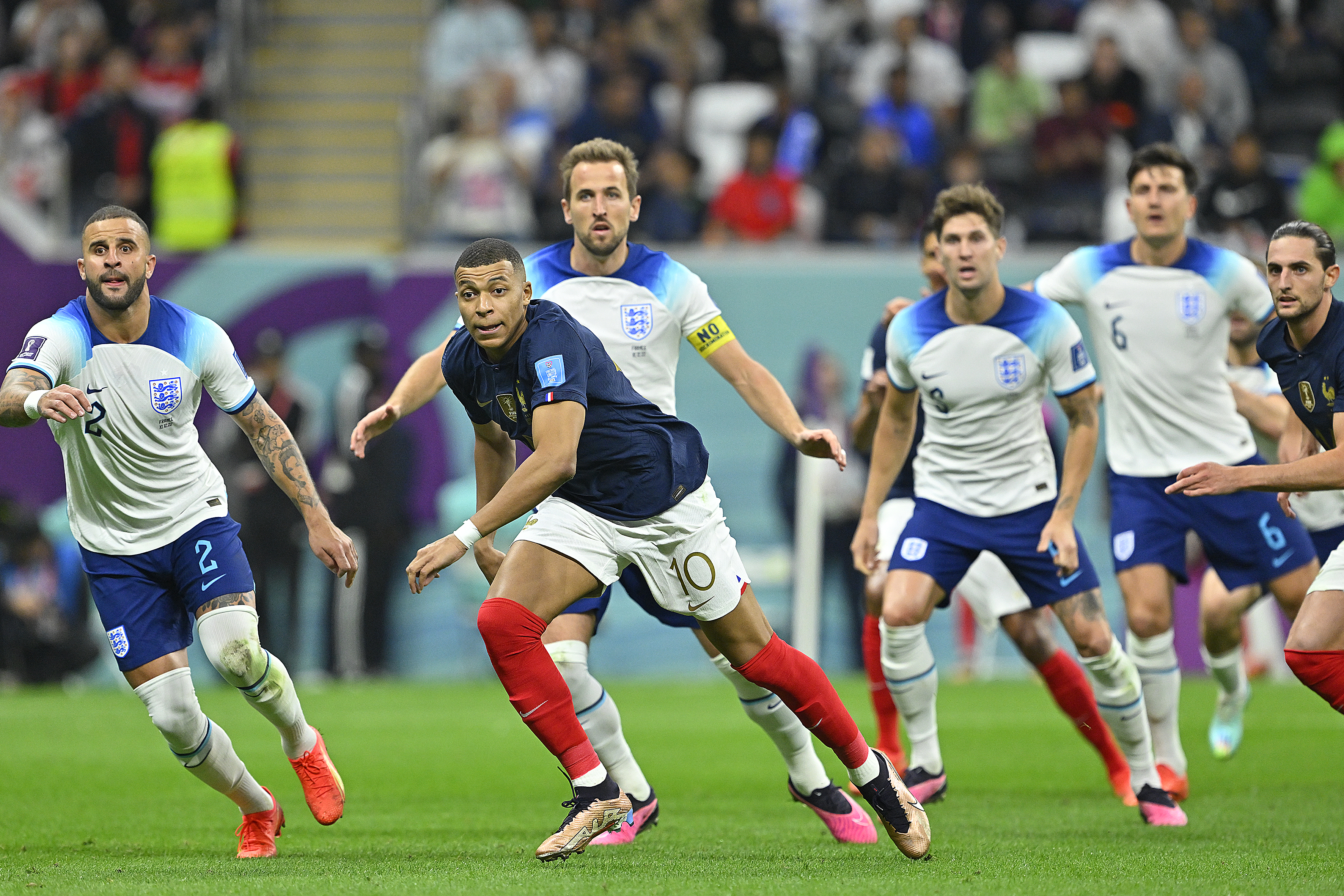
The intense France versus England fixture highlights growing calls for more sporting formats to include third-place play-off matches for competitors.
The impact of high-stakes matches
The recent encounter between France and England has reignited discussions regarding the structural value of third-place consolation matches in major international tournaments. While many sporting bodies exclude these games to focus on the final, the intensity displayed by both sides suggests a significant appetite for competitive play among teams eliminated from title contention.
High-level competition often remains a primary driver for broadcast revenue and fan engagement. When top-tier teams are removed from a tournament without a final ranking match, the sporting merit of the remaining participants can feel overlooked by global audiences.
Comparative sporting models
Observers have noted parallels between international football structures and American collegiate sports, specifically the College Football Playoff system. In the United States, bowl games serve as significant postseason events that provide additional competitive opportunities and commercial value.
Key differences and similarities include:
- Competitive Intensity: High-ranking teams often maintain peak performance levels even when the championship is out of reach.
- Commercial Viability: Third-place games provide additional broadcasting windows and sponsorship opportunities.
- Ranking Accuracy: Final tournament standings benefit from a complete set of head-to-head results.
The debate over tournament fatigue
Opponents of third-place play-offs often cite player welfare and tournament fatigue as primary concerns. Managing the physical load of athletes during condensed international schedules is a significant challenge for coaching staff and medical teams.
However, the France and England matchup demonstrates that such fixtures can elevate the prestige of the tournament by ensuring that every stage of the competition maintains a high level of professional standard. The debate continues to weigh the logistical burdens against the potential for increased engagement and sporting accuracy.