Hollywood prop makers oppose California's 3D-printed gun part ban
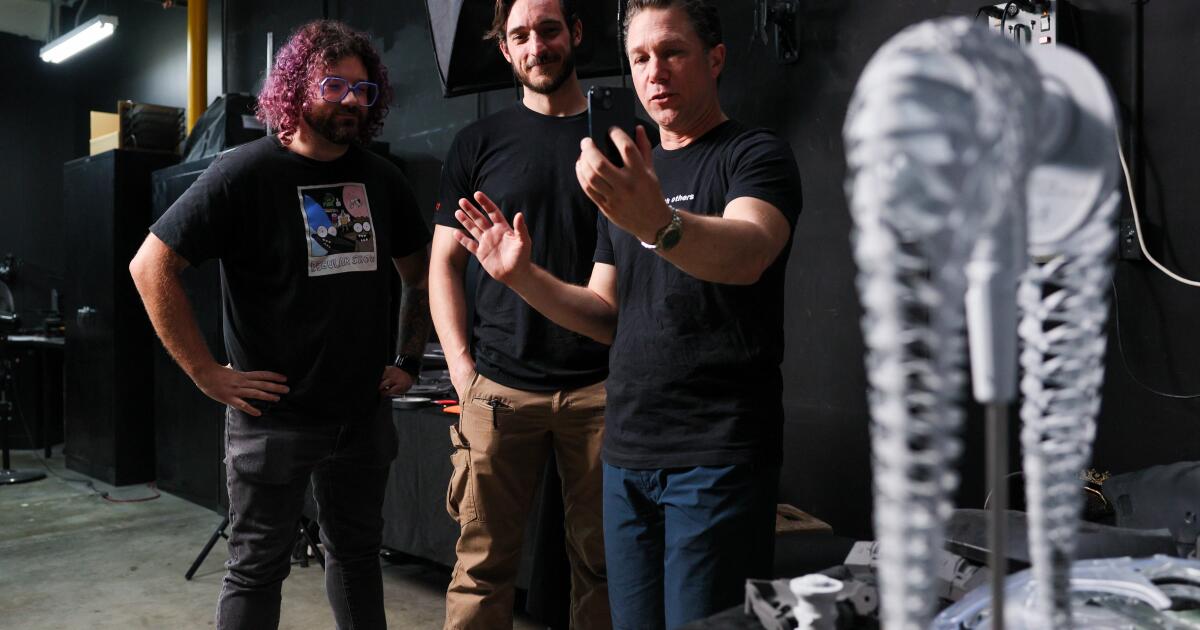
Hollywood prop makers oppose a California bill requiring 3D printers to block gun part production, citing concerns over broad restrictions.
Conflict over manufacturing restrictions
Prop makers within the film industry have emerged as unexpected opponents to a proposed legislative measure in California. The bill seeks to mandate that 3D printers incorporate software or hardware blocks to prevent the fabrication of firearm components, commonly referred to as 'ghost guns'.
While the legislative intent focuses on curbing the production of untraceable firearms, industry professionals argue that the current wording of the bill is excessively wide. They suggest that the technology required to enforce such a ban could inadvertently hinder legitimate creative processes used in major film studios.
Impact on film production
The motion has raised concerns regarding the technical requirements for producing realistic film props. Movie sets frequently utilise 3D printing technology to create highly detailed, non-functional replicas of various objects, including weaponry, for cinematic use.
Industry advocates claim that if 3D printers are forced to implement universal blocking mechanisms, the following issues may arise:
- Technical inaccuracy: Software may struggle to distinguish between a functional firearm component and a non-functional prop.
- Operational delays: Prop departments could face increased scrutiny or technical failures when attempting to print approved equipment.
- Increased costs: Implementing and maintaining these restrictions across various printing platforms could impose new financial burdens on production houses.
The 'ghost gun' debate
The legislative push in California is part of a broader effort to address the rise of untraceable firearms. Law enforcement agencies and safety advocates argue that 3D printing allows individuals to bypass traditional background checks and serialisation requirements by manufacturing parts at home.
The tension between public safety initiatives and the practical needs of the entertainment sector highlights the difficulty of regulating emerging manufacturing technologies. As the bill moves through the legislative process, lawmakers face the challenge of drafting language that targets illegal activity without penalising legal, industrial, and creative applications of 3D printing.