
How Snickometer technology denied Croatia's late equaliser against Portugal
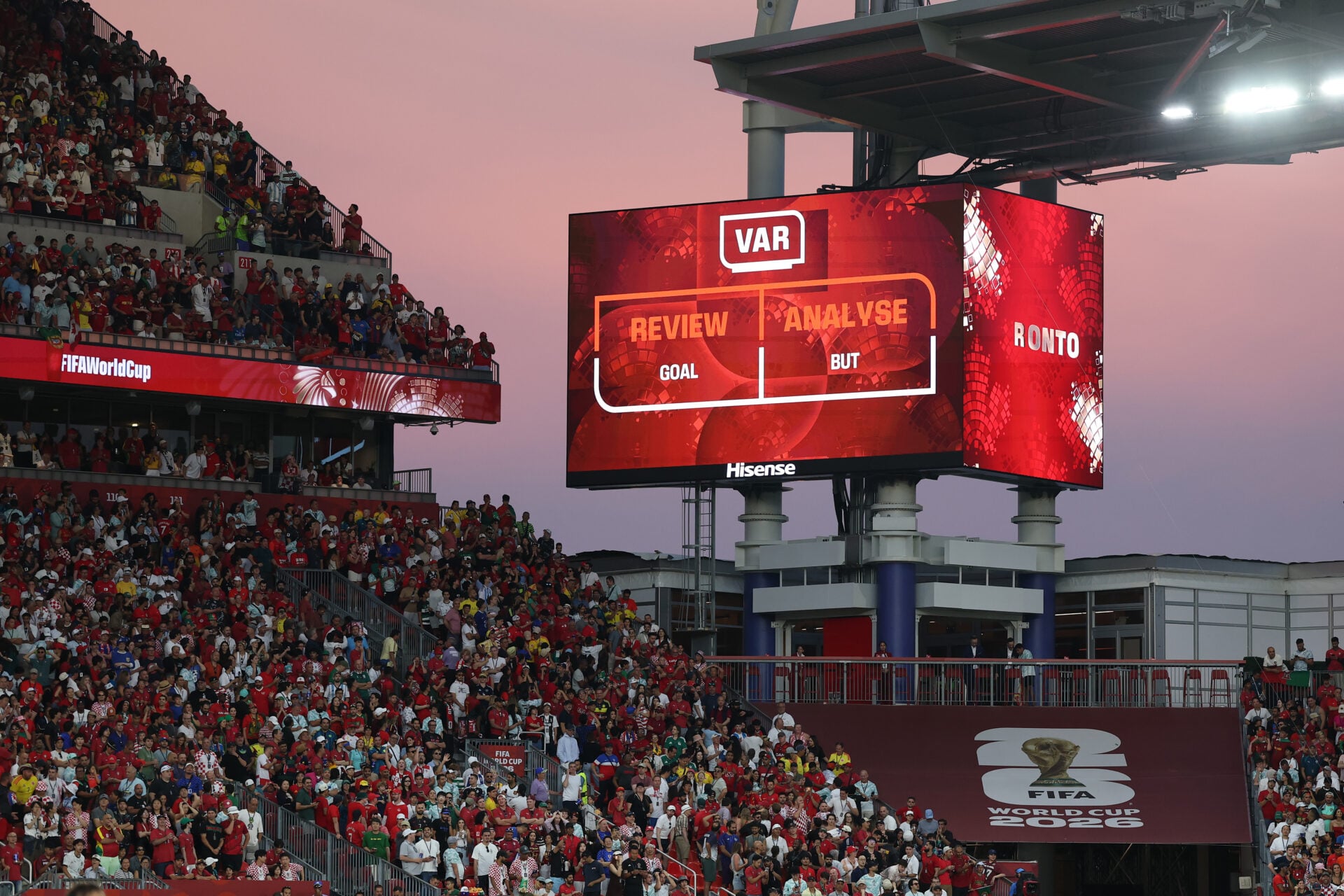
Croatia's late attempt to equalise against Portugal was overturned following a video assistant referee review using Snickometer technology.
The decisive VAR intervention
A last-minute equaliser intended for Croatia was disallowed during their recent fixture against Portugal. The decision rested on a technical review conducted by the Video Assistant Referee (VAR) team, who utilised a specific piece of audio-visual technology to determine if the ball had made contact with a player.
The controversy arose when officials reviewed a potential goal involving a decisive touch. While the pitch-side officials initially considered the goal valid, the VAR intervention triggered a check to see if the ball had deflected off a defender or an attacker in a manner that impacted the legality of the play.
Understanding Snickometer technology
The technology used in this instance is commonly referred to as the 'Snickometer'. This tool is designed to provide high-precision audio evidence to assist match officials in making accurate decisions during critical moments of play. It works by combining several technical elements:
- Microphone sensitivity: High-fidelity microphones are placed near the players to capture the specific sound of ball-to-skin or ball-to-boot contact.
- Audio waveform analysis: The technology captures the acoustic spike created by an impact, which is then visualised on a screen for officials.
- Slow-motion synchronization: The audio spike is overlaid onto high-speed video footage, allowing officials to see exactly when the sound occurred in relation to the player's movement.
In the context of the match between Croatia and Portugal, the Snickometer allowed officials to confirm whether the ball had made sufficient contact to alter the trajectory or legality of the goal-scoring sequence. The precision of the audio spike provided the empirical evidence required to overturn the original on-field decision.
The role of audio in football officiating
While traditional VAR relies heavily on visual evidence, the integration of audio analysis through tools like the Snickometer addresses instances where video angles may be obscured or inconclusive. This is particularly vital in determining 'touches' that happen at high speeds or in crowded penalty areas where the ball may be hidden from the primary broadcast cameras.
The use of such technology has become a standard component in top-tier international football to minimise human error. By providing a secondary layer of verification through acoustic data, officials can more confidently manage high-stakes moments that can dictate the outcome of major tournaments.


