
How connected ball technology decided Portugal's World Cup win over Croatia
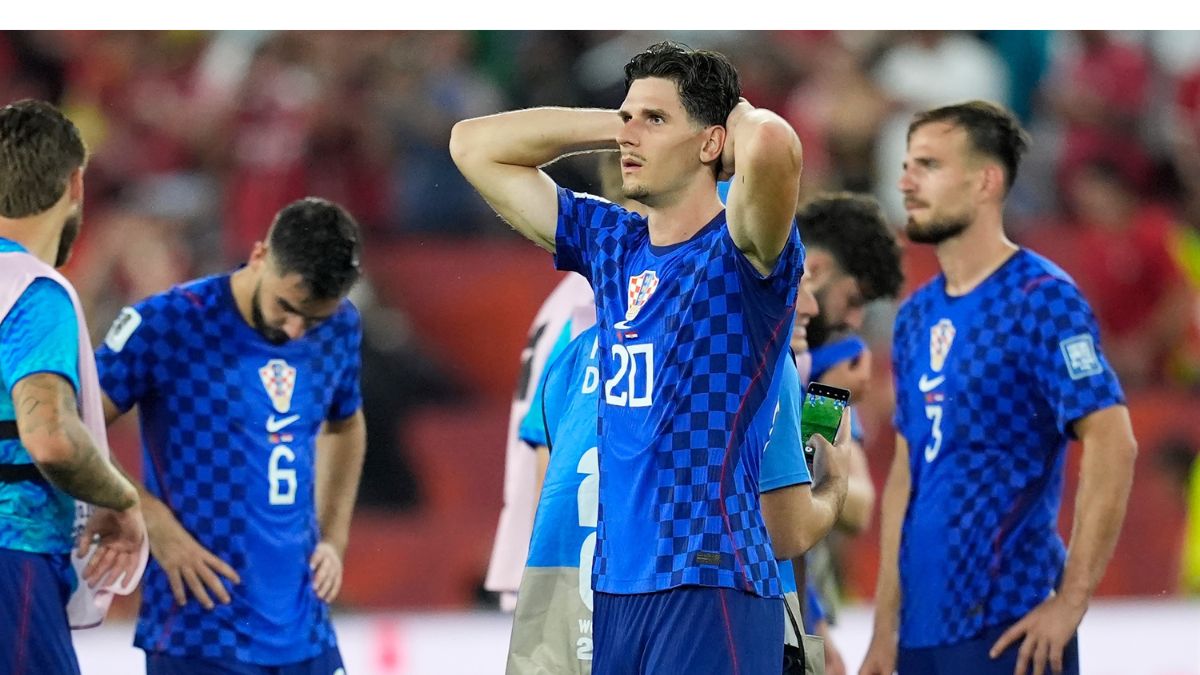
Advanced sensor technology within the Adidas Trionda match ball determined a critical VAR decision that ended Croatia's 2026 World Cup campaign.
The 103rd-minute intervention
A high-stakes moment in the 103rd minute of play saw the FIFA World Cup 2026 match between Portugal and Croatia decided by minute technical data. A video assistant referee (VAR) intervention followed a controversial sequence involving a striker during the final stages of extra time.
The decision hinged on whether a ball made contact with a player during a pivotal play. While traditional broadcast angles appeared inconclusive, the Adidas Trionda match ball provided definitive data to the match officials.
How the Adidas Trionda works
The Adidas Trionda features an embedded microchip designed to track movement and impact with high precision. This connected ball technology captures data points that are often invisible to the naked eye or standard high-speed cameras used in television broadcasts.
In this specific instance, the integrated sensors detected a faint touch off a striker's hair. This technical finding allowed officials to confirm the contact, leading to a ruling that ultimately halted Croatia's progress in the tournament.
Key technical capabilities of the connected ball include:
- Impact detection: Measuring the exact force and location of contact.
- Sensor integration: Microchips embedded within the ball's internal structure.
- Data synchronisation: Providing real-time metrics to VAR officials to assist in officiating complex plays.
Impact on tournament officiating
The use of connected ball technology represents a significant shift in how major international football tournaments manage controversial decisions. By providing an objective layer of data, officials can mitigate the impact of human error during high-pressure moments.
The Croatia exit serves as a primary example of how sensor-driven data can override visual interpretation. This precision ensures that even the most subtle touches, such as contact with a player's hair, are accounted for in the official match record.


