
5 Lifestyle Changes May Ease IBD Symptoms, Doctors Say
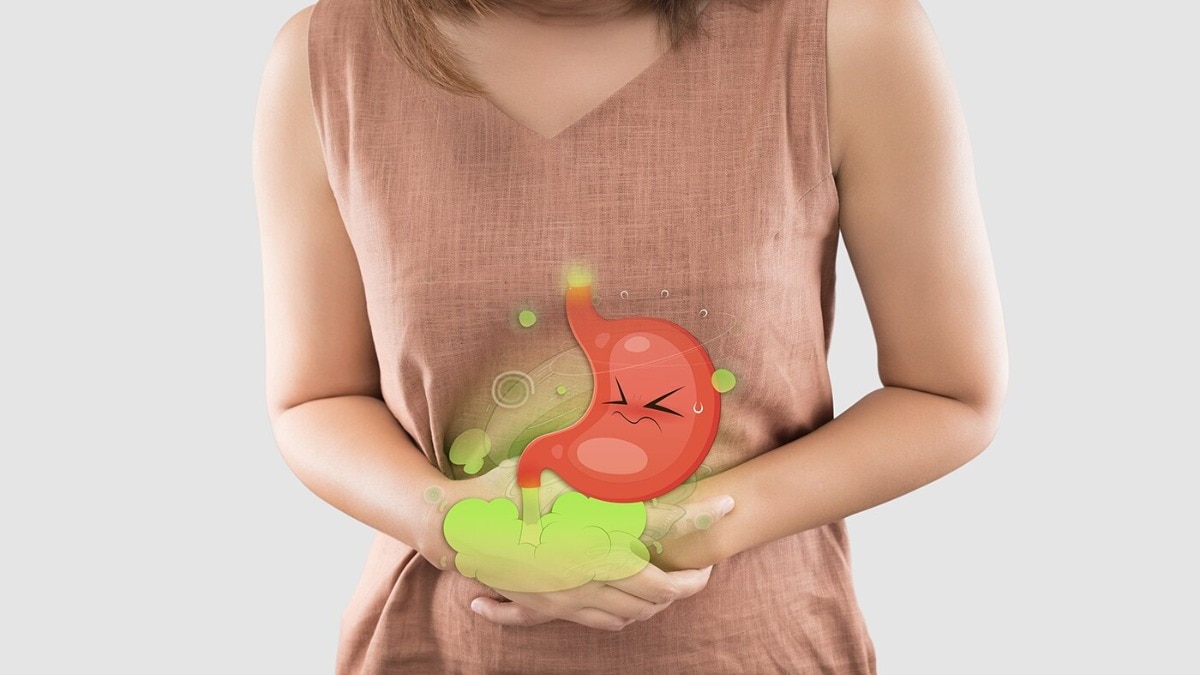
People living with inflammatory bowel disease (IBD) may find relief through five key lifestyle adjustments, according to medical professionals. While these changes are not a substitute for ongoing medical treatment and regular check-ups, they can play a supportive role in managing symptoms and improving overall quality of life.
IBD, which includes conditions like Crohn's disease and ulcerative colitis, is a chronic inflammatory condition of the digestive tract. Symptoms can vary widely but often include abdominal pain, diarrhea, fatigue, and weight loss. Traditional medical treatments, such as medication and, in some cases, surgery, are essential for managing the disease effectively. However, emerging research and clinical experience highlight the potential benefits of lifestyle modifications.
The five lifestyle changes outlined by doctors include dietary adjustments, stress management techniques, regular physical activity, adequate sleep, and smoking cessation. Specific dietary recommendations often involve identifying and avoiding trigger foods that exacerbate symptoms – these can vary significantly from person to person. Maintaining a food diary can be helpful in this process, allowing individuals to pinpoint potential culprits. Stress management strategies, such as mindfulness, yoga, or meditation, are also suggested, as stress can negatively impact IBD symptoms.
Regular physical activity, even moderate exercise like walking, can help reduce inflammation and improve overall well-being. Aiming for at least 30 minutes of moderate-intensity exercise most days of the week is generally recommended. Prioritizing sleep is another crucial factor, as sleep deprivation can weaken the immune system and worsen inflammation. Finally, quitting smoking is strongly advised, as smoking is known to aggravate IBD and increase the risk of complications.
It's important to emphasize that these lifestyle changes should always be discussed with a healthcare provider. They are intended to complement, not replace, established medical treatments. Individuals with IBD should continue to follow their doctor's prescribed treatment plan and attend all scheduled follow-up appointments. A collaborative approach, combining medical care with healthy lifestyle choices, offers the best opportunity for effective IBD management.