
Eastbourne Dad Speaks Out on Carer Financial Hardship
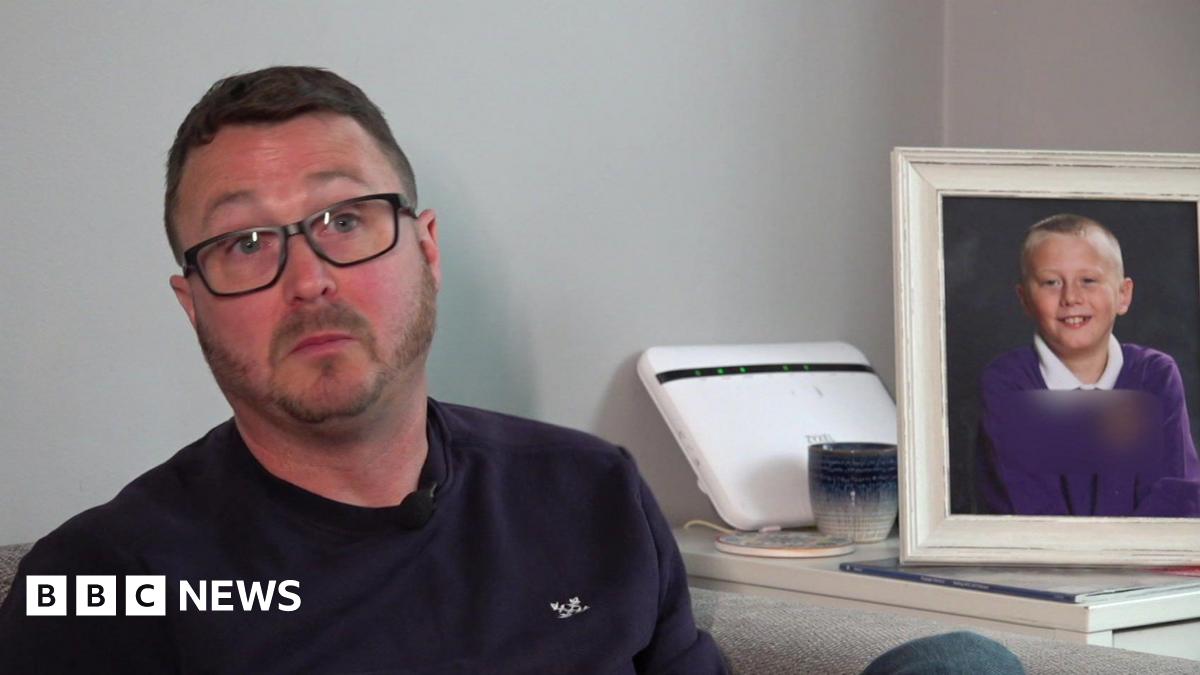
An Eastbourne father is sharing his personal struggles as an unpaid carer, urging others facing similar financial pressures to seek support. The man, who wishes to remain anonymous to protect his family’s privacy, detailed the significant impact caring for his son has on his household finances, highlighting the challenges faced by many unpaid carers across the UK.
He explained that balancing work with the demands of caring for his son, who has complex needs, leaves little room for savings or even covering everyday expenses. The cost of specialist equipment, therapies, and respite care, while essential, adds considerable strain to the family budget. He emphasised that many carers feel isolated and reluctant to ask for help, fearing judgment or a reduction in the support they currently receive.
“It’s a constant worry,” he said. “You’re trying to do your best for your loved one, but you’re also struggling to keep your head above water financially. It’s exhausting.” He hopes by speaking out, he can encourage other unpaid carers in Eastbourne and beyond to explore the financial assistance and practical support that is available to them.
Unpaid carers, often family members or close friends, provide significant care and support to loved ones who have disabilities, illnesses, or age-related needs. Estimates suggest there are over 4.5 million unpaid carers in the UK, many of whom are experiencing financial hardship. Local authorities and charities offer a range of support services, including financial grants, respite care, and advice on benefits. Eastbourne residents are encouraged to contact the East Sussex County Council or local carer support organisations for information and assistance.
The father’s experience underscores the growing recognition of the vital role unpaid carers play in society and the urgent need to address the financial challenges they face. The situation is expected to worsen with an ageing population and increasing numbers of people living with long-term health conditions.