
Mississippi campaign finance reform stalled after Jackson bribery scandal
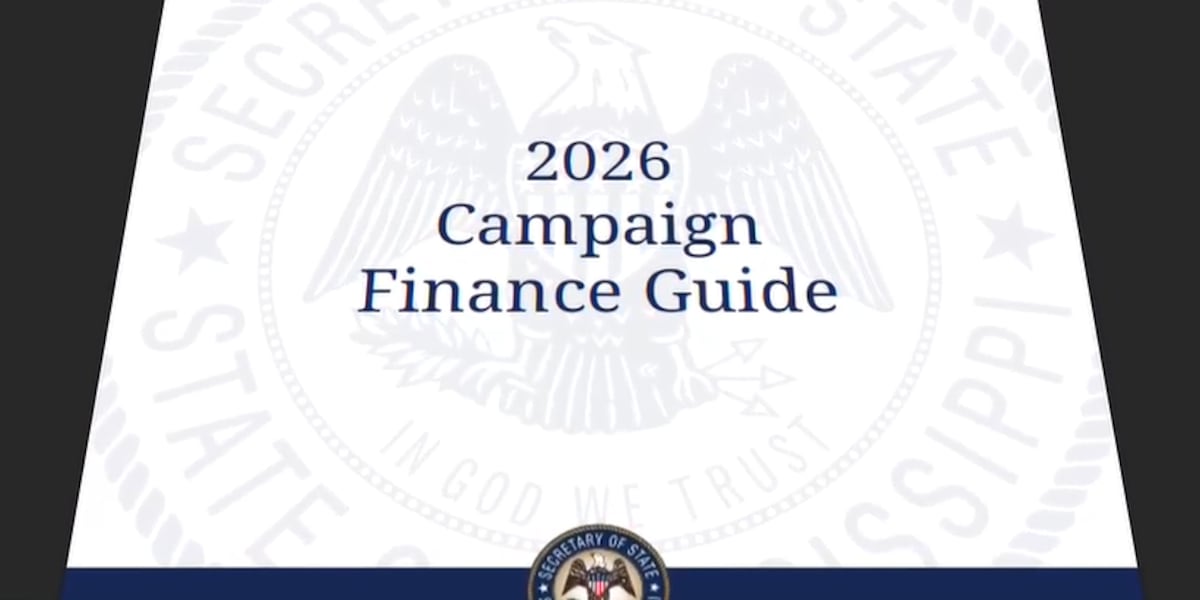
Mississippi campaign finance reform legislation failed to progress during the latest legislative session following the Jackson bribery scandal.
Legislative Deadlock
Mississippi Secretary of State Michael Watson has confirmed that efforts to overhaul campaign finance laws failed to gain traction in the most recent legislative session. The lack of progress comes despite heightened public and political interest in the matter following recent corruption cases in the state capital.
The recent Jackson bribery scandal had brought renewed scrutiny to how political funds are managed and monitored within the state. Although the scandal sparked calls for tighter regulations and increased transparency, lawmakers did not pass any significant reform measures before the session concluded.
Focus on Transparency
The primary concerns surrounding the proposed reforms involve the monitoring of political contributions and the prevention of illicit influence in government processes. Supporters of the legislation argued that new rules were necessary to restore public trust in the electoral system.
Key areas of focus for potential reform include:
- Stricter reporting requirements for political donations.
- Enhanced oversight of campaign expenditure.
- Increased penalties for violations of existing finance laws.
- Improved transparency regarding the sources of political funding.
The failure to advance these measures means that the existing regulatory framework remains in place. This regulatory environment will continue to govern how candidates and political action committees operate in Mississippi's upcoming election cycles.
Impact of the Jackson Scandal
The bribery scandal in Jackson served as a catalyst for the debate, highlighting perceived vulnerabilities in the current system. Legal proceedings and guilty pleas in recent corruption cases have underscored the difficulties faced by state officials in maintaining oversight.
While the legislative session has ended, the debate over how to protect the integrity of Mississippi's political processes is expected to continue. Future sessions may see renewed attempts to address the loopholes identified by critics and the Secretary of State's office.