
Concerns raised over food tracking and marketing tactics in children's products
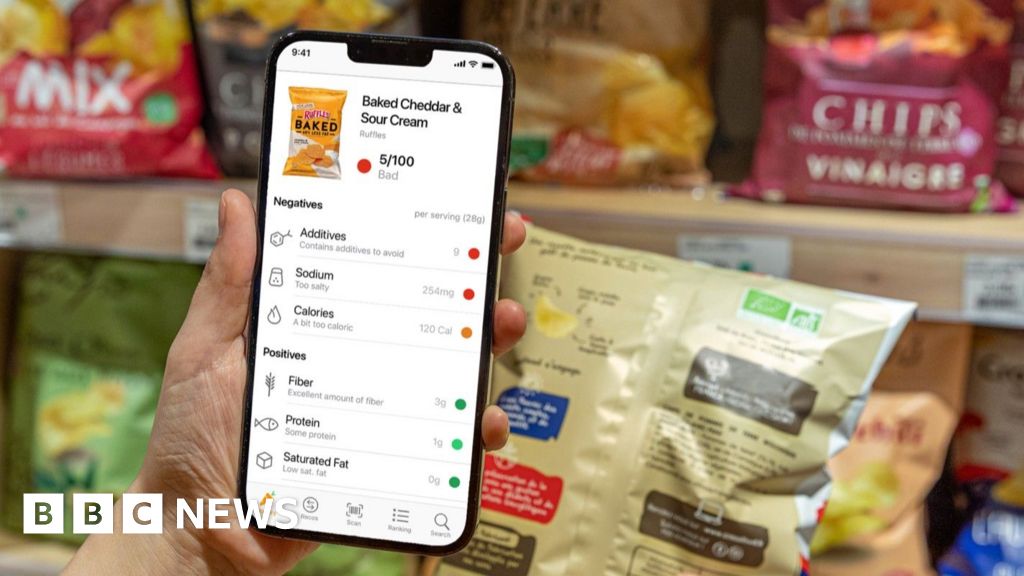
Critics are questioning the impact of food tracking and deceptive packaging techniques used on products specifically marketed towards young children.
Marketing concerns in the food industry
Concerns have been raised regarding the methods used to market certain food items to children. Critics argue that specific tracking mechanisms or nutritional data presented in certain ways can be misleading or inappropriate for younger demographics.
One commentator expressed significant frustration regarding the inclusion of certain features in food products designed for children. The individual noted that the ability to implement these specific types of tracking or data collection in children's food is a source of intense irritation.
"Honestly, that they can put this sort of thing in food aimed at children drives me nuts!"
Deceptive packaging and brand imagery
The discussion also extends to the use of aesthetic packaging to influence consumer perception. An analysis of an Italian food alternative revealed how visual cues can be used to imply a level of craftsmanship that may not align with mass-produced items.
The packaging in question was observed to create a specific impression regarding the product's origins. Specifically, the design suggests that the biscuits are artisanal products, evoking imagery of traditional, handmade goods produced by local workers in a rural setting.
This type of marketing, often referred to as 'heritage branding', uses specific cultural tropes to suggest authenticity. In this instance, the visual elements aim to make the consumer feel as though the biscuits were crafted by hand in a traditional manner, despite their commercial production scale.
Implications for consumer health
The intersection of food tracking and deceptive marketing raises broader questions about consumer health and transparency. As food technology evolves, the way nutritional information and product origins are communicated becomes increasingly complex.
Industry experts often monitor how these visual and data-driven tactics affect purchasing decisions, particularly when targeting vulnerable groups such as children. The focus remains on whether current regulations sufficiently protect consumers from being misled by aesthetic choices or digital integration in food products.