
5 Lifestyle Tips to Ease IBD Symptoms, Say Doctors
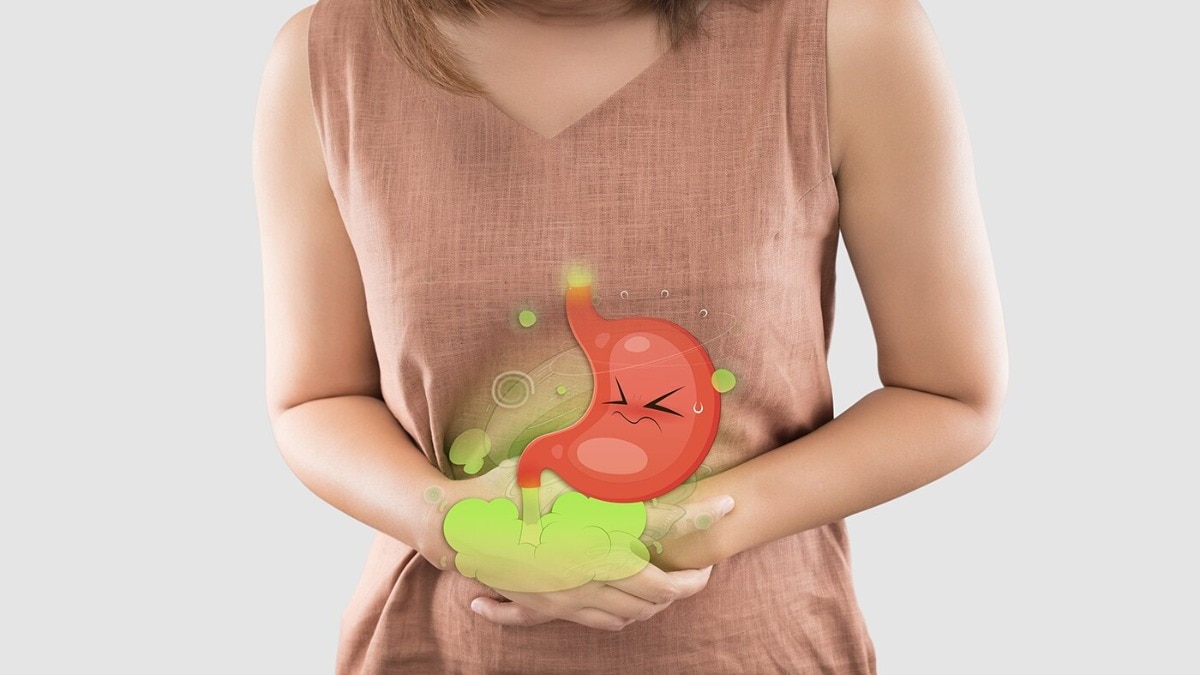
People living with inflammatory bowel disease (IBD) may find relief through five key lifestyle changes, according to medical professionals. While these adjustments are not a substitute for ongoing treatment and regular medical check-ups, they can offer valuable support in managing symptoms.
The advice, recently outlined by doctors, focuses on practical steps individuals can incorporate into their daily routines. These include dietary modifications, stress management techniques, regular exercise, improved sleep hygiene, and quitting smoking.
Specific dietary recommendations often involve avoiding trigger foods, which vary from person to person. Common culprits include processed foods, sugary drinks, and foods high in saturated fat. Keeping a food diary can help identify individual sensitivities. Consultation with a registered dietitian is highly recommended to create a personalised eating plan that addresses nutritional needs and avoids exacerbating symptoms.
Stress is a known trigger for IBD flare-ups. Doctors advise incorporating stress-reducing activities such as yoga, meditation, or spending time in nature. Cognitive behavioural therapy (CBT) can also be beneficial for managing stress and anxiety associated with the condition.
Regular physical activity, even moderate exercise like walking, can improve overall health and potentially reduce IBD symptoms. Exercise helps to reduce inflammation and release endorphins, which have mood-boosting effects. However, it's crucial to listen to your body and avoid overexertion, especially during flare-ups.
Prioritising sleep is also crucial. Aiming for 7-9 hours of quality sleep per night can help regulate the body's systems and reduce inflammation. Establishing a regular sleep schedule and creating a relaxing bedtime routine are helpful strategies.
Finally, quitting smoking is strongly advised. Smoking is linked to increased inflammation and a higher risk of IBD complications. Support groups and cessation programs can provide assistance in quitting smoking.
It is essential to remember that IBD is a chronic condition requiring ongoing medical care. These lifestyle changes should be discussed with a healthcare professional and integrated as part of a comprehensive treatment plan. Self-treating or neglecting prescribed medications can have serious consequences.