
Cardiologist Warns Statins Require Lifestyle Changes for Cholesterol Control
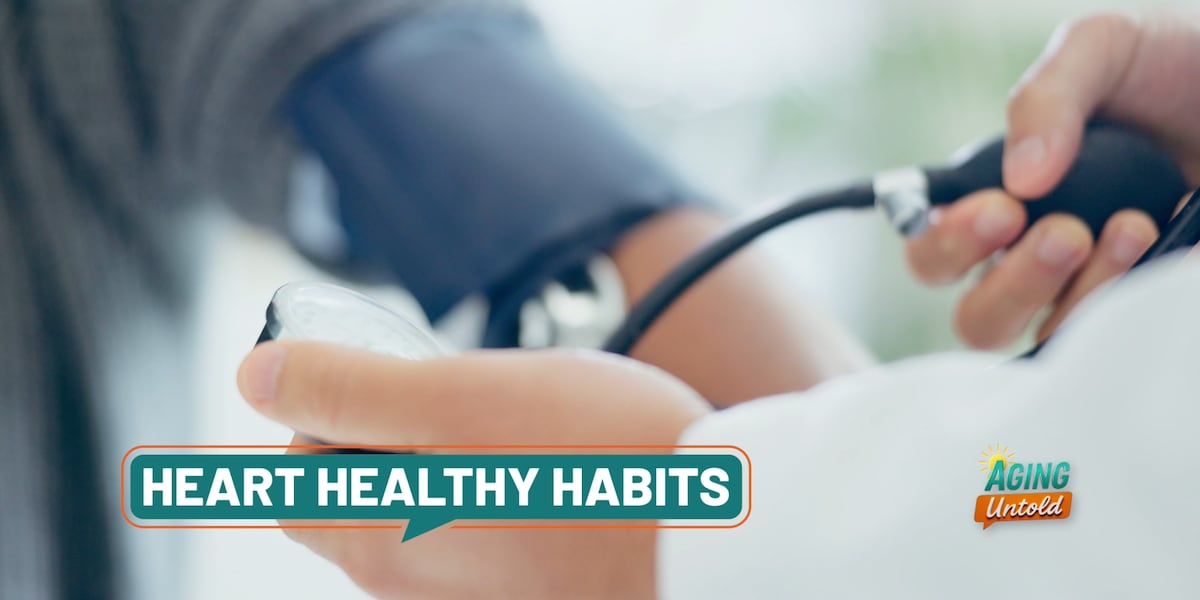
A cardiologist emphasizes that statin medications require consistent lifestyle modifications to effectively manage cholesterol levels and protect heart health.
The Limits of Medication Alone
While statin medications are a primary tool for managing high cholesterol, medical experts warn that these pills are not a substitute for healthy daily habits. Relying solely on pharmaceutical intervention without addressing underlying lifestyle factors can limit the effectiveness of the treatment.
According to a leading cardiologist, the synergy between medication and behavior is essential for long-term cardiovascular wellness. Patients who combine their prescription regimen with specific dietary and physical changes often see significantly better clinical outcomes than those who rely on medication alone.
Synergistic Effects of Healthy Habits
Integrating certain habits can enhance the potency of statin therapy. When patients adhere to medical advice while simultaneously adopting heart-healthy routines, they create a more robust defense against arterial buildup and heart disease. Key lifestyle components include:
- Dietary adjustments: Reducing saturated fats and increasing soluble fiber intake.
- Physical activity: Maintaining a consistent routine of aerobic and strength training.
- Weight management: Achieving and sustaining a healthy body mass index.
- Smoking cessation: Eliminating tobacco use to reduce overall vascular strain.
Understanding Statin Functionality
Statins work by inhibiting an enzyme in the liver that is responsible for producing cholesterol. However, the amount of cholesterol the body processes is heavily influenced by external factors such as caloric intake and metabolic rate. If a patient continues high-fat dietary patterns, the liver may continue to produce excessive cholesterol despite the presence of the medication.
Medical professionals suggest that viewing statins as a single component of a broader health strategy helps prevent the misconception that medication provides a "free pass" from healthy living. Successful management of hyperlipidemia requires a multifaceted approach involving both chemical intervention and behavioral discipline.
Long-Term Cardiovascular Strategy
For patients currently prescribed statins, the focus should remain on optimizing their overall profile. This includes monitoring blood pressure, managing stress, and maintaining regular follow-up appointments with healthcare providers to track lipid panels. The goal is not merely to lower a number on a lab report, but to mitigate the cumulative risk of cardiovascular events like heart attacks and strokes.


)
