
GCSE Food Technology: Understanding How the Five Senses Guide Food Choice
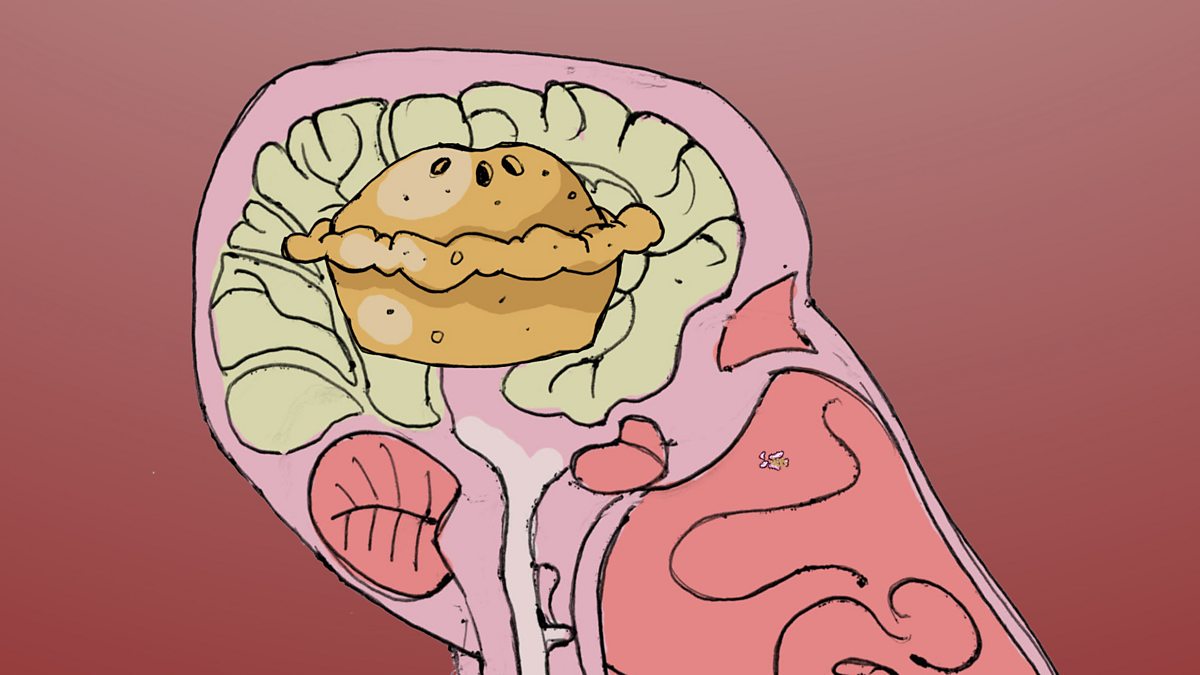
Students learning GCSE Design and Technology explore how the five human senses influence dietary selections and individual food preferences.
The Sensory Connection to Nutrition
In the study of GCSE Food Technology, understanding the biological relationship between sensory perception and nutrition is a fundamental component. The five senses—sight, smell, touch, taste, and hearing—work collectively to help individuals identify, evaluate, and appreciate various food products.
Sensory input plays a critical role in how consumers perceive the quality of what they eat. By analyzing these inputs, students at Key Stage 4 can better understand the science behind why certain foods are appealing while others are rejected.
Core Sensory Functions in Food Selection
Each sense contributes a specific layer of information during the eating process:
- Sight: Visual cues such as color, shape, and presentation provide the initial assessment of freshness and appetizing qualities.
- Smell: Olfactory signals are essential for identifying flavors and detecting potential spoilage or spoilage-related odors.
- Taste: The gustatory system detects primary profiles, including sweet, salty, sour, bitter, and umami.
- Touch: Somatosensory perception allows for the evaluation of texture, mouthfeel, and temperature.
- Hearing: Auditory feedback, such as the crunch of a chip or the snap of a vegetable, influences the perceived freshness of a product.
Developing Personal Food Preferences
The interaction between these sensory inputs leads to the development of long-term personal preferences. As individuals encounter different textures and flavor profiles, their brains build associations that guide future purchasing and consumption habits.
For Key Stage 4 students, mastering this concept is vital for designing food products that meet specific consumer needs. Understanding the nuances of texture and aroma allows designers to create more successful and engaging culinary experiences.
Educational Application for Design and Technology
This curriculum area bridges the gap between biological science and practical product design. Students apply their knowledge of sensory mechanics to troubleshoot food issues, such as why a product might have an unappealing mouthfeel or a lack of aromatic depth.