World Cup 2024: Public Health Focus on Common Issues

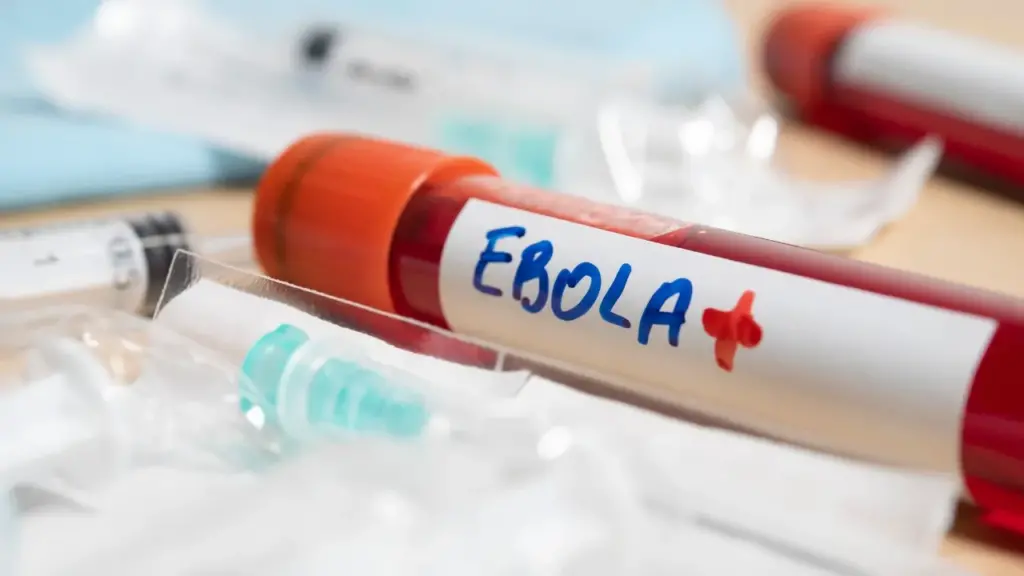
Durban – While the possibility of rare diseases like Ebola understandably raises concerns, public health officials preparing for the 2024 World Cup are primarily concentrating on managing more common health challenges, but at a significantly increased scale to accommodate the influx of visitors.
Experts confirm that the majority of planning revolves around ensuring readiness for issues such as foodborne illnesses, respiratory infections, and injuries. The sheer volume of people attending matches and related events – both locally and internationally – necessitates a substantial bolstering of existing public health infrastructure and protocols.
The World Cup represents one of the largest gatherings of people globally, and this presents unique logistical and health-related hurdles. Health services are being reviewed and expanded to handle the anticipated surge in demand. This includes ensuring adequate staffing at hospitals and clinics, increasing ambulance availability, and streamlining emergency response procedures.
“It’s not that we’re ignoring the possibility of rare diseases,” explained Dr. Thandiwe Nkosi, a public health specialist consulted for the World Cup preparations. “However, our resources are best allocated towards mitigating the risks associated with the conditions we are most likely to encounter, given the scale of the event. We have robust surveillance systems in place to detect and respond to any unusual health trends.”
The preparations also include intensive public awareness campaigns to educate both locals and visitors about preventative measures, such as proper hygiene practices and safe food handling. Collaboration between national and local health authorities, as well as international health organizations, is crucial to ensuring a coordinated and effective response to any health challenges that may arise during the tournament.
The focus on familiar health issues, while prioritizing preparedness for a large-scale event, reflects a pragmatic approach to public health management during the World Cup, aiming to safeguard the health and well-being of all involved.