Alphabet & Micron: AI Investment Showdown Heats Up

The race to dominate the artificial intelligence landscape is intensifying, pitting tech giants Alphabet (Google's parent company) against Micron Technology. While both companies are positioned to benefit from the AI boom, their approaches and strengths differ significantly, sparking debate among investors about which represents the better investment opportunity.
Alphabet is pursuing a broad, multifaceted strategy for AI growth. This encompasses developing advanced AI models, integrating AI into its existing suite of products like Search and Cloud services, and investing in cutting-edge AI research. The company's significant resources allow for exploration across various AI applications, from generative AI to machine learning, offering diverse revenue streams and growth potential. Their internal development of AI chips also strengthens their control over the AI ecosystem.
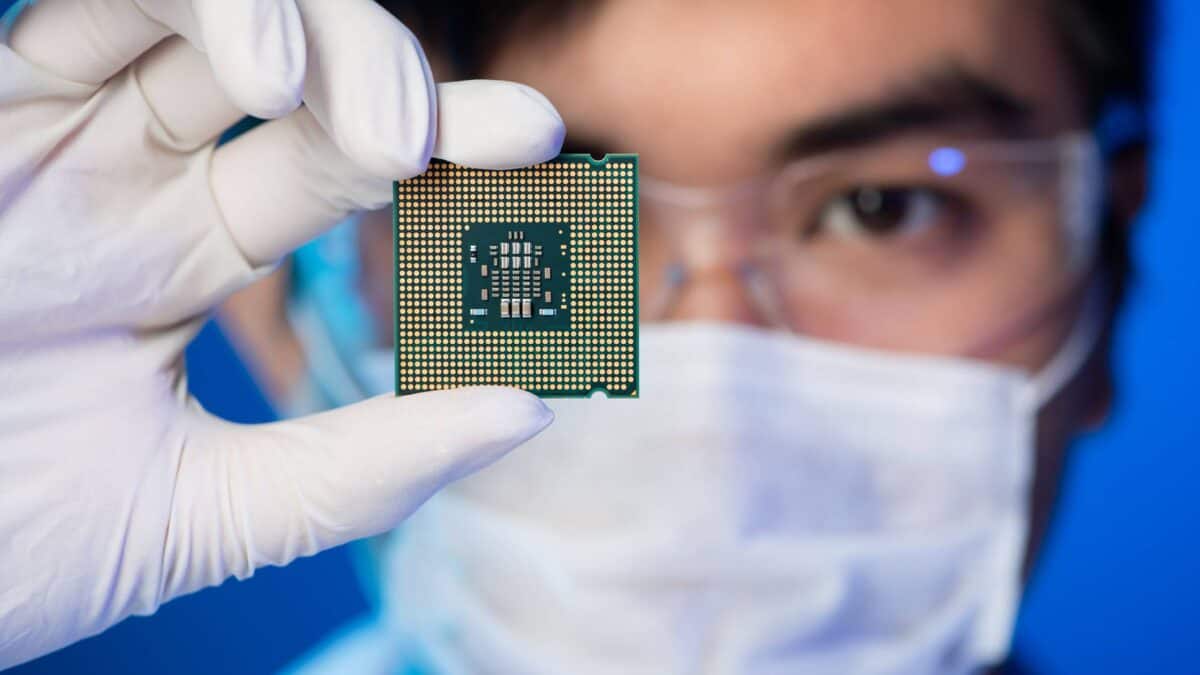
Micron, on the other hand, focuses on the crucial hardware underpinning AI's capabilities. The company is a leading manufacturer of memory and storage chips, essential components for AI training and deployment. The current global shortage of these specialized chips has underscored Micron's strategic importance. Demand for high-bandwidth memory (HBM) and other advanced memory solutions, vital for AI workloads, is surging, creating a favorable market dynamic for Micron.
The differing strategies present unique advantages and risks. Alphabet’s diversified approach provides resilience against potential setbacks in any single AI application, but also requires managing a complex portfolio of investments. Micron’s focus on hardware offers strong growth potential tied directly to the AI hardware demand, but the company is vulnerable to cyclical downturns in the semiconductor industry and competition from other chip manufacturers.
Ultimately, the 'best' AI play depends on an investor’s risk tolerance and investment horizon. Alphabet offers a broader, potentially higher-growth, but also more complex opportunity. Micron provides a more focused, hardware-driven play capitalizing on the current supply constraints, but with inherent cyclical risks. Both companies are poised to benefit from the continued expansion of the AI market.

;Resize=620)