
New Tech Maps DNA-Protein Interactions in Single Cells
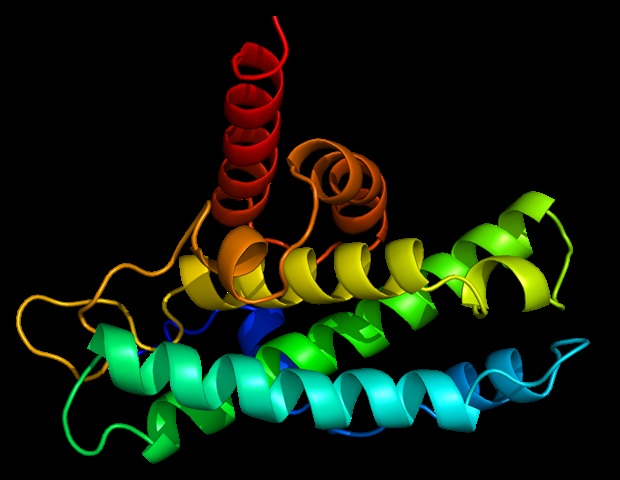
Scientists have developed a groundbreaking technology, dubbed D&D-seq, that allows for the mapping of DNA-protein interactions within individual cells. This advancement, detailed in a recent study led by researchers at Weill Cornell Medicine and the New York Genome Center, promises to significantly enhance our understanding of gene regulation.
The D&D-seq technique enables researchers to pinpoint the precise locations where transcription factors and other regulatory proteins bind to DNA, effectively revealing how these proteins control gene activity. Crucially, the technology is compatible with multi-omics approaches, meaning it can be combined with other analyses, such as RNA sequencing, to provide a more comprehensive picture of cellular processes.
Previous methods for studying DNA-protein interactions often required analyzing bulk populations of cells, masking the variability that exists between individual cells. D&D-seq overcomes this limitation by enabling single-cell resolution mapping. This provides a far more detailed and nuanced view of how gene regulation varies across different cell types and under different conditions.
The researchers demonstrated the capabilities of D&D-seq by applying it to study the interactions of various transcription factors in human cells. They were able to identify previously unknown binding sites and gain new insights into the complex regulatory networks that govern gene expression. The multi-omics compatibility of D&D-seq allowed them to correlate these DNA-protein interactions with changes in gene expression, further strengthening their findings.
The development of D&D-seq represents a major step forward in the field of genomics and has the potential to accelerate research in a wide range of areas, including cancer biology, developmental biology, and immunology. By providing a powerful tool for dissecting the intricate mechanisms that control gene activity at the single-cell level, D&D-seq is poised to unlock new discoveries and pave the way for more targeted and effective therapies.