
G7 Finance Chiefs Mull Iran War Economic Impact
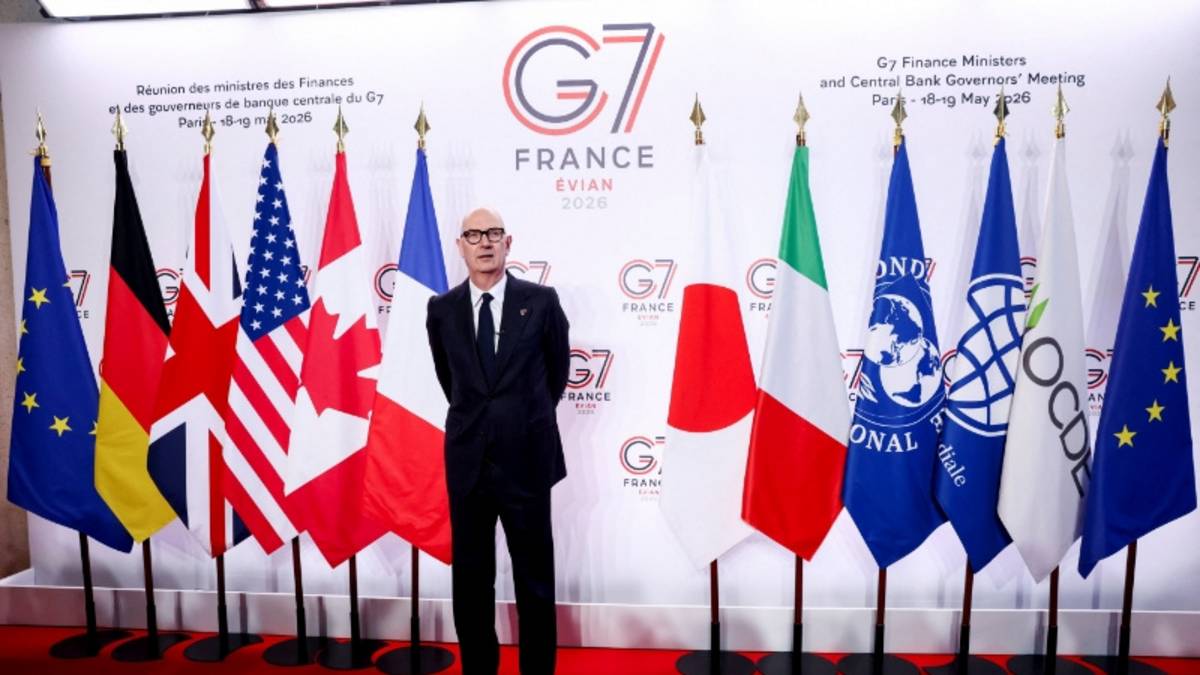
Finance ministers from the Group of Seven (G7) nations are currently studying potential responses to the economic consequences stemming from the ongoing conflict in Iran. Discussions are focused on mitigating the ripple effects of the situation on the global economy.
The meeting, held [location unspecified in original], comes amid heightened tensions in the Middle East. The G7, comprised of Canada, France, Germany, Italy, Japan, the United Kingdom, and the United States, represents a significant portion of the world’s economy and plays a key role in coordinating international financial policy.
French Finance Minister Bruno Le Maire has reportedly urged the International Monetary Fund (IMF) and the World Bank to intensify their efforts to address the economic challenges posed by the crisis. The specific nature of these intensified efforts was not detailed in available reports.
The war in Iran has already begun to impact global markets, particularly in the energy sector. Concerns about supply disruptions and rising prices are a primary focus for the G7 nations. The ministers are likely evaluating a range of policy options, including potential financial aid packages and measures to stabilize markets. The ultimate goal is to minimize the negative economic impact on member nations and the global economy as a whole.
Further details on the specific policy decisions reached by the G7 finance ministers are expected to be released following the conclusion of their discussions. The IMF and World Bank's response to the French Minister's call remains to be seen.