
p53 Protein: Scientists Investigate Why 'Genome Guardian' Fails
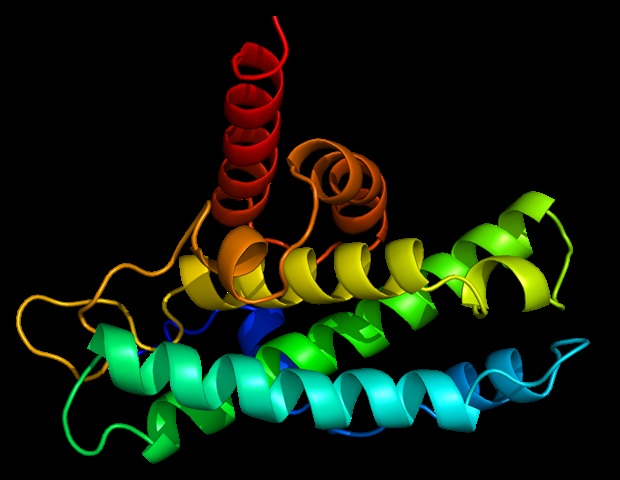
Scientists are investigating the reasons behind the frequent dysfunction of the p53 protein, often referred to as the 'guardian of the genome' due to its crucial role in cancer prevention. Research published recently sheds light on why this vital protein, despite its protective function, is also one of the most commonly mutated and non-functional proteins found in human tumors.
The p53 protein acts as a critical checkpoint in cells, responding to DNA damage and cellular stress. When activated, it can trigger DNA repair, cell cycle arrest, or even programmed cell death (apoptosis) to prevent the proliferation of cells with damaged genetic material, thereby inhibiting tumor development. Its role is therefore paramount in maintaining genomic stability and preventing the onset of cancer.
However, the very importance of p53 makes it a prime target for disruption by cancer cells. Mutations in the p53 gene are found in approximately 50% of all human cancers, making it the most frequently mutated gene in this disease. The reasons for this vulnerability have been a subject of intense research. The current study aims to further elucidate the mechanisms that contribute to p53's susceptibility to collapse, potentially paving the way for new therapeutic strategies targeting this protein and its associated pathways.
Understanding the precise factors that lead to p53 dysfunction is crucial for developing more effective cancer treatments. While the exact mechanisms are still being investigated, this new research contributes significantly to our knowledge of this fundamental aspect of cancer biology and offers potential avenues for future investigation and intervention. The findings highlight the ongoing challenge of targeting cancer at its core – protecting and restoring the function of key proteins like p53.